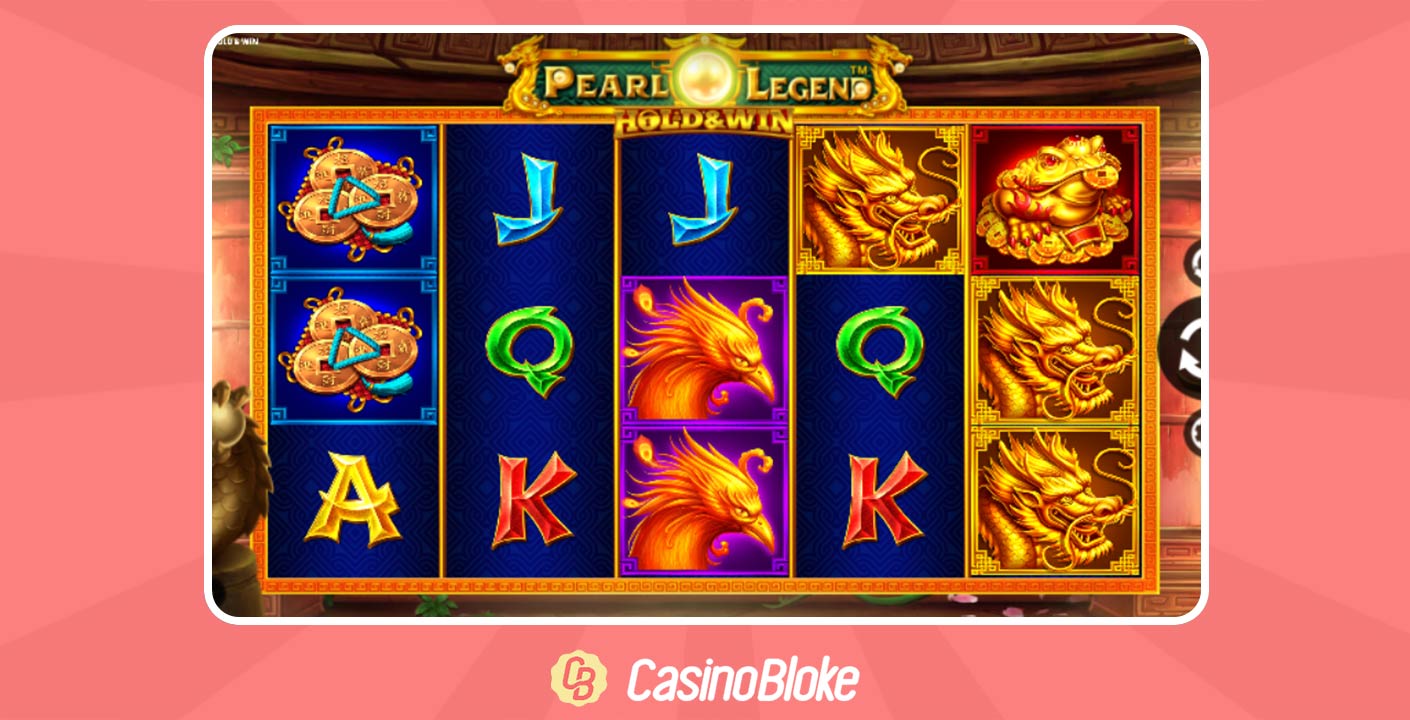
The Mathematical Integrity of Random Number Generation
The heart of any Hold & Win title is the random number generator, a cryptographically secure algorithm that creates thousands of numerical sequences per second even when the reels are idle https://hold-and-win.org/. This RNG must stay impervious to stake amount or gaming session for the outcome to be truly random. Third-party testing labs subject these algorithms to thorough chi-squared and diehard tests to ensure that outcome distribution matches statistical randomness. Without this mathematical purity, the entire hold-and-respin feature becomes pointless. Australian players benefit from software providers who register their engines to worldwide standards bodies. The fairness verification extends into the bonus feature: the RNG’s unpredictable nature ensures locked symbols are placed without fixed advantage, preserving the declared risk level just as planned. Each symbol placement is independent and not impacted by past outcomes, irrespective of the number of respins occur.
Structural Integrity of the Lock and Spin Mechanic
The hallmark of this genre is the resurgent respin sequence, where particular symbols lock in place and the rest of the reels respin for a set amount of chances to fill the grid. Fair play here depends entirely on a fixed probability of symbol arrival during this phase. We have verified that a correctly tested game does not alter reel weightings to protect a jackpot pool. Once the bonus triggers, the game either executes a pre-determined final state based on random seeding or conducts a truly autonomous real-time draw for each respin. The design guarantees that the last respin is mathematically the same to the first. For Australian audiences, the thrill depends on knowing the game does not fight against them. If a game offers three respins with a reset to three upon landing a new symbol, the fair algorithm must accurately renew the counter without deliberate interference to force an early conclusion.
Fair Play Mechanisms as a Fairness Pillar
Voluntary Exclusion and Cooling-Off Technical Execution
When a user invokes a self-exclusion protocol, all access tokens for the Hold and Win lobby must be instantly revoked. Sound systems enforce this across sub-domains and sister networks, preventing any bypass via alternative URLs. Fairness exists in the operator’s choice not to profit from a moment of difficulty; the backend must instantly suspend automated marketing communications. During a bonus stage, the pause functionality must never affect the mathematical outcome. If a cooling-off interval is triggered mid-session, the fair platform halts the game state, preserving locked symbols and remaining extra spins without degrading the RNG pattern. For the Australian market, the game application and account management tools integrate smoothly, so the game cannot be loaded in a cached form to avoid the ban. Upon fulfillment, restoration is never instant; it demands a intentional, cooled-off request plus a waiting interval, guaranteeing the comeback is a deliberate action.
Deposit and Stake Health Metrics
In a authentically fair Hold and Win environment, the interface proactively displays the player’s financial velocity through visual indicators rather than merely taking wagers. We find that ethical platforms deliver a transparent, non-manipulative panel showing net outlay over period, immediately tied to Hold and Win sessions. This redirects emphasis from the occasional respin payout to long-term expenditure actuality. Health indicator features let players to establish a maximum loss threshold that cannot be increased without a cooling-off delay. From a fairness perspective, this blocks the operator from taking advantage of the psychological impetus generated by bonus proximity. If a player is a few elements missing from a top prize, the system’s denial to accept an immediate deposit limit increase protects them from disproportionate loss pursuit. This safe space ensures the game’s fluctuation stays within the player’s means, maintaining a transactional equilibrium and defending against emotional reckless spending.
Transparency in RTP Percentages
We regard the transparent presentation of Return to Player metrics a yardstick for fair play. A real Hold and Win game always reveals its expected payout in vague language; it shows the data within the in-game menu before placing a wager. This percentage represents a theoretical long-term average calculated over millions of simulated spins, not a immediate promise for a one playing session. High-variance titles may undergo prolonged accumulation phases before activating the respin feature. Honest operators differentiate between multiple RTP versions, which may range from under ninety percent to above ninety-seven percent. We hold that such openness empowers Australian players to make informed decisions, balancing their risk tolerance with the game’s real payout structure without encountering hidden adjustments. The volatility index serves as a crucial guide, helping players to foresee the frequency and size of potential bonus triggers. This clarity is essential to maintaining confidence in Hold and Win Games.
Regulatory Oversight and Licensing Frameworks

The operational legitimacy of Hold and Win Games in Australia stems from hard-earned certification granted by authoritative bodies that supervise interactive gambling standards. We regard these licensing frameworks as the first line of defense against unethical conduct. Regulatory entities enforce stringent technical compliance, requiring operators to submit software for continuous testing rather than a initial approval; any incremental update triggers re-certification. These frameworks mandate that theoretical RTP percentages be lodged and validated against empirical data to prevent dramatic deviations. For Australian players, licensed platforms guarantee arbitration channels if payout disputes arise. Authorities also impose mandatory segregation of player funds, ensuring business capital never covers jackpot commitments. This legal framework allows Hold and Win Games to thrive without the damaging influence of regulatory evasion. We view this oversight as the bedrock of player confidence, the basis upon which fair gaming and integrity rest.
External Audit Protocols and Server Mechanics
Behind every fair Hold and Win platform is a rigorous schedule of automated and manual audits by third-party entities with no financial interest in the operator’s success. We trust these auditors to verify that server-side logic matches the client-side display, eliminating visual mismatches where the screen shows a near-miss while the server registers a different result. Technical security assessments analyze source code to detect hidden subroutines that alter pay tables based on user profiling or location. For Australian players, audit protocols also verify latency and network integrity, ensuring communication disruptions never void a legitimate win. The certification seals displayed are legally binding affirmations that the RNG has passed non-deterministic fairness testing. We strongly advocate that players verify the validity of these certificates directly on the testing laboratory’s website before en.wikipedia.org committing to any specific title. This independent scrutiny finalizes the accountability loop, guaranteeing that the Hold and Win mechanics operate exactly as promised.
Data Safety and Wagering Integrity
The sending of betting information during a Hold and Win session is a critical channel that must be safeguarded by corporate-standard encryption. When we place a bet on a respin feature, Transport Layer Security secures the connection between device and server, blocking man-in-the-middle meddling. This encryption layer assures that the wager amount and seed call are unaltered and matching at both ends. Any security violation would undermine the fairness agreement. Account balance security is crucial; debits and credits must adjust seamlessly so a server crash during a large-wager respin never results in a forfeited bet. Premium platforms catering to Australia use instant off-site data replication, allowing a suspended Hold and Win feature to resume exactly at the disruption spot with all secured symbols preserved and the financial balance accurately restored to the prior spin condition. This infrastructure assures that even in the case of connection failure, the play condition is fully recoverable and the RNG sequence is not tampered with. We consider this tiered information safety as a indispensable cornerstone of the Hold and Win experience.
The Role of Software Providers in Maintaining Standards
We regard software studios the chief guardians of Hold and Win integrity. They encode the RTP into the algorithmic core, preventing any operator-level manipulation through backend toggles. Internal QA runs trillions of rounds to map deviation curves and verify that the volatility matches the design. For Australian players, a developer’s logo serves as a mark of mathematical trustworthiness. These studios employ advanced physics for respin visuals, but the animation is strictly a slave to the server-generated outcome; it never tampers with the random draw. This eradicates any psychological deception where near-miss animations are weighted to trigger an emotional push. The model is locked and audited, assuring uniform payout frequencies for every user. Such code-level transparency is the foundation of our confidence that each Hold and Win spin is a genuine, impartial event. We see this locked-down architecture as non-negotiable, making sure that no external force can compromise the game’s randomness. It symbolizes the pinnacle of fair play engineering, securing the player’s right to a chance-based experience.
User-Oriented Dispute Resolution Mechanisms
Even with perfect coding, the belief of a technical failure requires a equitable and accessible arbitration channel. We maintain a robust dispute resolution mechanism is a core tenet of Hold and Win fair play. When an Australian player disputes a respin outcome, perhaps due to a connectivity dropout, the operator must supply a detailed game log and the digital code signature. A log translation service transforms complex hexadecimal data into a human-readable timeline of every symbol drop and counter reset. An independent third-party arbitrator then verifies this log against the server hash to confirm no retroactive editing occurred. This process keeps the operator accountable, guaranteeing the RNG’s verdict is respected while acknowledging the player’s legitimate claim to a displayed result. The entire process is transparent and swift, enabling players to examine the exact sequence leading to the dispute. This final safety net maintains confidence even when a technical anomaly occurs. We consider it indispensable, ensuring that the player’s voice is heard.